

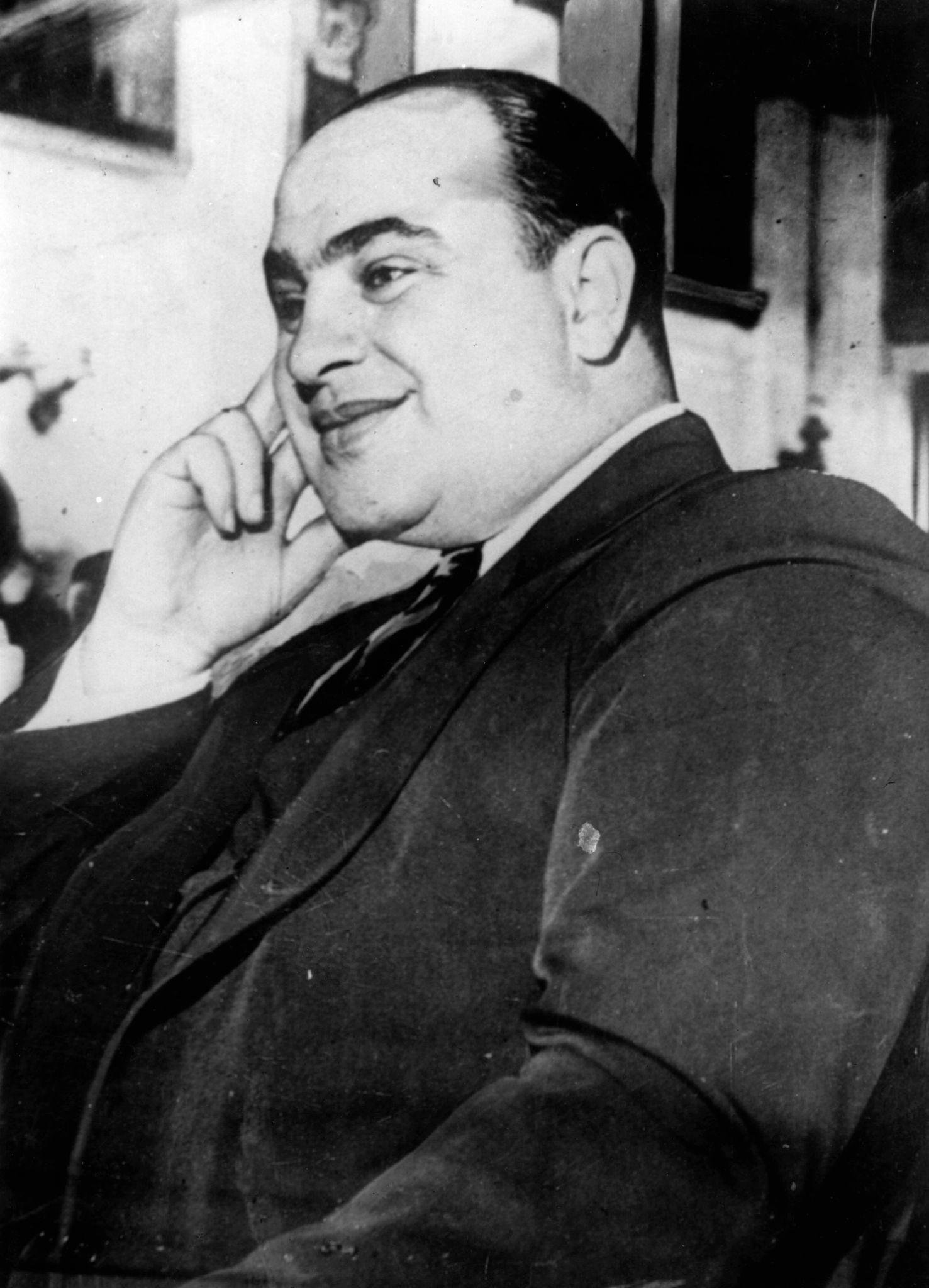
When people think of Al Capone, they picture Chicago, tommy guns, and Prohibition-era headlines. Yet Florida became his quiet refuge. In the late 1920s, Miami Beach offered sunshine and palm trees instead of snow and scrutiny. This southern chapter shaped the final years of his life.
Why Capone Chose Florida
By 1928, Capone commanded Chicago’s underworld. Law enforcement pressure followed him constantly. Florida offered several advantages:
- Distance from Chicago investigations
- A subtropical climate for winter living
- A booming real estate market
- A lighter law enforcement presence
Like other wealthy Americans, he became a snowbird. The difference? His criminal empire followed him south.
The Palm Island Mansion
In 1928, Capone purchased a waterfront estate for roughly $40,000. The property featured:
- Spanish-style mansion and guest house
- Lush tropical landscaping
- 100 feet of waterfront access
- A private dock
He added heavy security with high walls, floodlights, and iron gates. The estate served as both a retreat and a fortress.
Capone’s Conflict With Florida Authorities
Local authorities did not welcome his presence quietly. In 1930, Miami declared Capone a “public enemy.” They briefly arrested him on vagrancy charges. Officials wanted the city to maintain a glamorous, crime-free image.
Prison, Illness, and Final Years
Capone faced federal conviction for tax evasion in 1931. He served time, including at Alcatraz. By release in 1939, syphilis had damaged his health. He returned to Palm Island, withdrawn and frail. On January 25, 1947, he died at 48.
Florida’s Influence on His Legacy
Capone’s Florida years reveal the state’s dual nature. During the 1920s and 1930s, Miami marketed itself as a wealthy playground. Real estate development boomed. Luxury hotels rose. Capone fit in yet drew notoriety.
- Waterfront property ownership reflected elite status
- Presence highlighted tension between glamour and crime
- Florida became both a retreat and a stage for his decline
Al Capone’s Mansion Today
Capone’s Palm Island home has changed hands multiple times. Renovations and restorations preserve the structure. Palm Island now hosts ultra-wealthy residents and celebrities. Ironically, it mirrors the exclusive environment Capone once sought.
Myth vs. Reality
Movies and television portray Capone as larger-than-life. Florida, however, tells a quieter story. He aged fast, retreated from the spotlight, and faded into isolation. Behind Biscayne Bay, he was unraveling instead of orchestrating empires.
Why the Story Endures
Capone’s Florida chapter intersects with major American themes:
- Prohibition and organized crime
- The Great Depression
- Luxury real estate development
- Wealth and controversy coexisting in one location
Even today, visitors imagine the notorious gangster behind palm trees and sea walls.
Final Thought
Florida has long attracted outsized personalities. For Capone, it offered refuge and closure. Chicago built the legend. Florida closed the curtain. Palm Island remains a symbol of history, notoriety, and sunlit secrecy.